How securiteconso.org Turns US Recall Notices Into a Reading List
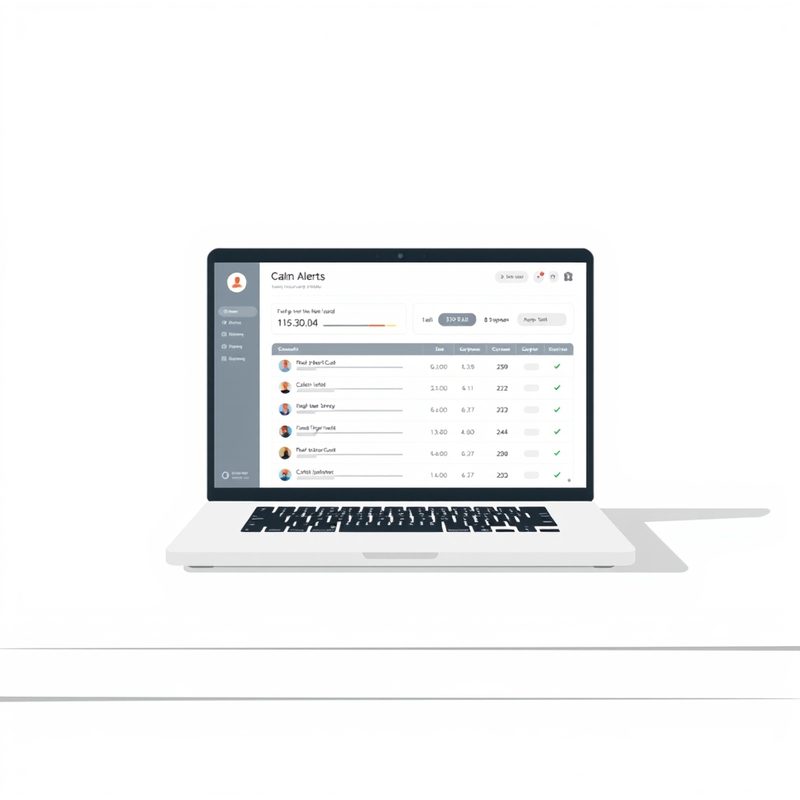
Most people who need a recall notice find it by accident. The point of this site is to remove the accident: to take notices that are published, structured for regulators and written for manufacturers, and turn them into something you can read in a minute and act on in five.
Here is the whole machine, described honestly.
The pipeline, in five steps
- Collect. Every six hours, a scheduled job pulls new records from the US Consumer Product Safety Commission recall feed and from the openFDA enforcement endpoints for food, drugs and medical devices.
- Deduplicate. Records are keyed on source and identifier, so a notice is stored once regardless of how many times the feed returns it.
- Summarise. Each record is summarised in English from the official text: what the product is, what the hazard is, what the agency says to do. The summary is a pointer, never a replacement — the source is linked on every card.
- Illustrate where possible. If the source publishes photographs of the recalled product — CPSC notices often do — the image is copied into our own storage, served with a long cache lifetime and credited to the agency. Where the source has no image, the card has no image.
- Publish and deliver. The result is a filterable list, an API, and alerts by category for people who would rather be told than remember.
What the list gives you
- 435 recall records as of this writing, refreshed every six hours.
- Filters by source, severity, category and free-text search.
- Pagination at 50 alerts per page, so a filtered result stays readable.
- Photographs of recalled products where the agency publishes them — the fastest way to recognise an item you own.
- A link to the official publication on every single entry.
- A JSON API at
/api/recallsfor anyone who wants to build on the data.
What it deliberately does not do
- It does not replace the notice. Summaries are generated automatically from official text; a model can be wrong. For medical devices, medicines and food, act on the official record, and when in doubt, ask a professional rather than a website.
- It does not invent completeness. We track two US sources. A product recalled in another jurisdiction will not appear here unless a US agency also published it.
- It does not dress up gaps. Food, drug and device records carry no product images — those cards are text. We would rather show you nothing than a stock photo implying a product we cannot identify.
- It is not a government service. We are an independent information service and we are not affiliated with, or endorsed by, any authority. Every alert links back to the body that published it.
- It does not sell your address. Alerts need an email address and nothing else; there is no advertising and no third-party tracking.
The two-minute version for a new reader
- Open the recall list and scan the last few days. Most people recognise at least one product family they own.
- Use the category filter for the things you actually buy — children’s products, household appliances, food.
- If you would rather not check manually, set up an alert: choose categories, confirm your email, and notices arrive as they are published.
Where it goes next
The pipeline is deliberately narrow: two sources, one language for the summaries, no advertising. The most useful additions are the ones that shorten the distance between publication and an owner reading it — more category granularity in the alerts, and better identification fields surfaced from notices so that checking a model number takes less work.
If you spot a summary that misstates an official notice, that is a bug worth reporting: contact details are here.
Sources: CPSC recalls · openFDA · NHTSA recalls